Prices
  Request a call back
  Moving Guides
  Free quote
 Access problems moving to Victorian terraces in West Kensington
Posted on 20/06/2026
Access Problems Moving to Victorian Terraces in West Kensington
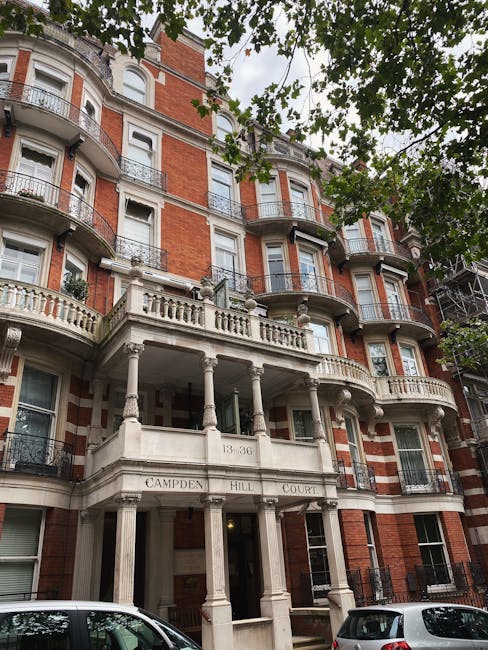
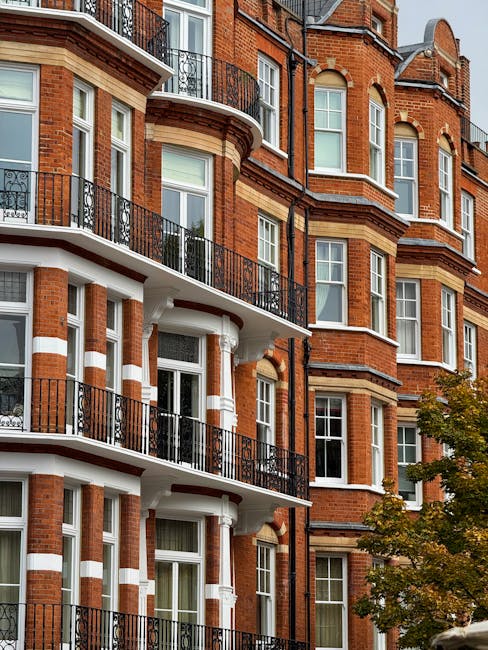
Victorian terraces look elegant from the pavement, but anyone who has tried to move into one knows the reality can be a bit more complicated. Tight front steps, narrow hallways, awkward parking, and shared entrances can turn a straightforward move into a careful puzzle. If you are dealing with access problems moving to Victorian terraces in West Kensington, the good news is that most of the stress is manageable with the right planning.
In West Kensington, where older streets often mix period character with busy residential access, the details matter. A sofa that fits in the lounge may still get stuck on the turn at the front door. A van can arrive on time and still be the wrong fit for the street. And if you are moving on a weekday morning, the sound of traffic, delivery vans, and people parking for two minutes "just there" can make timing feel oddly personal. This guide breaks down what usually goes wrong, why it matters, and how to get the move done without the drama.
We will cover the access issues that appear most often in Victorian terraces, the practical steps that help, the mistakes to avoid, and the kind of moving setup that tends to work best in real life. If you are comparing options or just trying to figure out where to start, this should give you a clear plan.
- Why access problems matter
- How the move process works in practice
- Key benefits of planning ahead
- Who this is for
- Step-by-step guidance
- Expert tips for smoother access
- Common mistakes to avoid
- Tools, resources and recommendations
- Law, compliance and best practice
- Comparison of moving methods
- Real-world example
- Practical checklist
- Conclusion
- Frequently asked questions
Why Access Problems Moving to Victorian Terraces in West Kensington Matters
Access issues are not just an inconvenience. They affect timing, cost, safety, and how smoothly your belongings move from one home to another. In a Victorian terrace, the building itself often creates the challenge: steep front steps, narrow staircases, hallway bends, low ceilings in parts of the property, and doors that were never designed for modern furniture sizes.
Then there is the street-level side of things. West Kensington has a lot of lived-in, tightly packed residential roads. Parking can be limited, traffic can ebb and flow through the day, and the position of the nearest legal stopping point may be further away than you expect. That means longer carries, more lifting, and more chance of something going sideways if nobody has planned it properly.
To be fair, period homes have a lot of charm. They also have quirks. And moves are usually where those quirks show up all at once.
This matters because poor access planning can lead to:
- extra labour time and higher moving costs
- damage to furniture, bannisters, walls, or flooring
- delays caused by parking or loading difficulties
- more physical strain on everyone involved
- stress on moving day that could have been avoided
It also matters if you are choosing between a standard removal service, a smaller van option, or a team that can handle awkward access carefully. The right fit depends on the property, not just the postcode. If you are still exploring the area and how local homes tend to work, a useful starting point is about West Kensington, which helps put the neighbourhood into context.
How Access Problems Moving to Victorian Terraces in West Kensington Works
Access planning starts long before the van arrives. A proper move into a Victorian terrace usually begins with a survey of the property, a look at street access, and a check on the size and shape of the items being moved.
In practical terms, a mover will want to know things like:
- how many steps lead to the front door
- whether there is a side passage, rear access, or only one entry point
- how wide the hallway, landing, and staircase are
- whether bulky items can turn corners safely
- how far the van may need to park from the property
- whether there are time restrictions, permits, or loading limitations
Sometimes the issue is not the house itself but the combination of building and street. A terrace on a narrower road can be fine for box loads but awkward for a large sofa or wardrobe. In that case, the mover may use a smaller van, a shuttle system, or a team that can split the load intelligently. That is often far better than trying to force a big vehicle into a space that is just not sensible.
There is also the question of furniture dismantling. A bed, dining table, or wardrobe might need to come apart before it gets through the stairwell. If that is the case, somebody needs to know in advance, not halfway up the stairs with a screw loose and everyone standing around in silence. Happens more often than people admit.
For heavier or unusually shaped items, specialist handling matters too. If a piano, for example, is part of the move, a dedicated service such as piano removals West Kensington is far more appropriate than treating it like a regular box of books.
Key Benefits and Practical Advantages
Getting the access side right does more than save hassle. It changes the quality of the whole move. You feel it in the pace of the day, the safety of the items, and frankly in your own nerves.
The biggest practical advantages include:
- Less chance of damage. When turns, stairs, and door frames are mapped out, furniture is easier to protect.
- More accurate pricing. Clear access information helps removals teams quote properly and avoid last-minute add-ons.
- Faster loading and unloading. The right vehicle and team size make a real difference.
- Better protection for the building. Period plaster, painted stair rails, and narrow hallways are easier to preserve when the route is planned.
- Less disruption to neighbours. A tidy, efficient move causes fewer complaints and less friction on the street.
There is also a less obvious benefit: confidence. When you know the access plan has been thought through, you stop worrying about what might happen at the front door. That alone is worth a lot on moving day.
If you are weighing up moving methods, service style matters too. A smaller crew can be ideal for limited access, while a more comprehensive team may be better if you need packing, furniture handling, and careful route planning. The range of options is worth understanding, which is why a quick look at services overview can help you see how different moving setups fit different homes.
Who This Is For and When It Makes Sense
This topic is relevant to a wider group than you might expect. It is not just for families moving large houses or people with oversized furniture. In West Kensington, access concerns can affect almost anyone moving into a Victorian terrace.
You may need to plan carefully if you are:
- moving into a first-floor flat in a terrace house
- bringing in bulky furniture, a sofa, or large appliances
- living on a road with awkward parking or narrow loading space
- moving with children, pets, or older relatives in the mix
- trying to move quickly on a tight timetable
- working to a building move-in window or limited access slot
Students and renters sometimes assume a small move means no planning needed. Not quite. Even a compact flat can have a tight stairwell, a tricky communal entry, or a van that has nowhere sensible to stop. If that sounds familiar, a smaller-scale option such as man with a van West Kensington may be a better fit than a larger setup.
It also makes sense to think about access if you are moving furniture in stages. Maybe you are waiting on one room being finished, or you are dropping things into storage first. In that sort of mixed move, flexibility matters almost as much as lifting capacity.
Step-by-Step Guidance
A good move into a Victorian terrace does not need to feel complicated. It just needs a sequence. Here is the simplest way to approach it.
- Measure the awkward bits first. Doorways, hallways, stair landings, and the tightest turn in the property should be checked before anything else.
- List your bulky items. Sofas, wardrobes, beds, dining tables, mirrors, and appliances are the usual troublemakers. Be honest about size.
- Check the street outside. Look at parking, loading access, and whether the van may need to stop further away than ideal.
- Decide what needs dismantling. Flat-pack furniture is one thing; antique or fragile pieces are another. Some items simply need expert handling.
- Tell the removals team early. Do not leave access details until the day before. A decent team can only plan around information they actually have.
- Protect the route. Floor coverings, stair protection, and padded wraps are worth it, especially in older properties.
- Allow extra time. Access issues nearly always take a little longer than the ideal plan. Build in a buffer.
- Have a backup option. If the large van cannot stop close enough, a smaller vehicle or shuttle transfer may save the day.
In our experience, the best moving days are the ones where nobody is improvising with a mattress on a busy pavement. Sounds obvious, but you see it happen. More than you'd think.
For moves involving furniture taken apart and rebuilt, or items that need extra care, a specialist route can make life easier. Services like furniture removals West Kensington are often a better match than a generic one-size-fits-all approach.
Expert Tips for Better Results
These are the small details that usually separate a smooth move from a stressful one.
- Take photos of the entrance and staircase. A few clear photos can tell a mover more than a paragraph of description.
- Measure furniture in its widest orientation. That means not just length, but height, depth, and any awkward handles or arms.
- Keep one route clear. Clutter in hallways and landings is a fast way to slow the whole move.
- Label boxes by room and priority. When access is tight, efficient unloading matters even more.
- Think about weather. Wet steps and narrow entrances are not a fun combination, especially in the morning.
- Reserve space for the van where possible. If parking is a known issue, plan early rather than hoping for luck. Hope is not a strategy, sadly.
Another useful habit is to ask the moving team what they need from you before arrival. Sometimes they will want a contact number, parking notes, or a warning about low ceilings or fragile plaster. That little conversation can save a surprising amount of time.
If you are comparing providers in the area, it may also help to review the wider service picture through removal services West Kensington and removal companies West Kensington, so you can match the service to the complexity of the property rather than the other way round.

Common Mistakes to Avoid
Most access problems are manageable. The trouble comes when people underestimate them.
Common mistakes include:
- Assuming the van will fit anywhere. Tight roads can make a large vehicle impractical.
- Not checking the staircase properly. A sofa may fit through a door but fail at the turn on the landing.
- Forgetting about parking restrictions. This can create delays, fines, or a long carry from the vehicle.
- Leaving dismantling until moving day. That is how small jobs become frustrating ones.
- Underestimating the number of boxes. More boxes means more trips, more handling, and more time.
- Keeping hallways blocked. It sounds minor, but it slows everything down and increases risk.
One of the bigger hidden problems is assuming access is only about the front door. In Victorian terraces, the route inside the property can be just as important as the road outside. You need both to work.
Another mistake is choosing a service based on price alone. A cheaper quote can be fine if the access is easy. Once stairs, narrow openings, or parking difficulty enter the picture, value matters more than the headline number. For that reason, it is smart to look at pricing and quotes carefully and ask what is actually included.
Tools, Resources and Recommendations
You do not need specialist equipment for every move, but a few basic tools make a real difference. Nothing fancy. Just practical stuff.
- Measuring tape. Essential for checking doors, stair turns, and furniture dimensions.
- Furniture sliders or blankets. Useful for protecting floors and easing movement through tight rooms.
- Strong marker pens. Box labels matter more than people think when time is tight.
- Photos on your phone. Pictures of the route, entrance, and furniture help everyone stay on the same page.
- Basic packing materials. Tape, bubble wrap, and sturdy boxes are not glamorous, but they are very useful.
For people who would rather not assemble all of that themselves, professional packing support can reduce both damage risk and moving-day confusion. It is especially useful when access is tight and every extra minute at the front door counts. In those cases, packing and boxes West Kensington can be a practical starting point.
And if the move needs a smaller vehicle because the street is simply not friendly to larger lorries, a dedicated removal van West Kensington can sometimes be the more efficient solution. Not every move needs a big truck. Sometimes the clever choice is the modest one.
Law, Compliance, Standards, or Best Practice
For a home move in West Kensington, the most important thing is usually not some dramatic legal issue. It is sensible compliance and safe working practice. That said, there are a few things worth keeping in mind.
Parking and loading should be handled responsibly and in line with local street conditions. If a move needs to happen in a restricted area, the plan should account for it in advance rather than hoping nobody notices. If you are unsure about a particular street setup, ask the moving team how they handle access and vehicle positioning.
Health and safety matters too, especially in older buildings where stairs can be narrow, surfaces uneven, and lighting not ideal. Best practice usually includes:
- careful manual handling
- clear walkways
- protection for floors, bannisters, and door frames
- realistic team sizing for the job
- appropriate insurance cover for the move
If you are using a removals provider, it is fair to ask how they approach risk, what happens if access is more difficult than expected, and how they protect the property. A trustworthy company should answer that plainly. You should not have to decode jargon over a phone call on a Tuesday afternoon.
If you want to understand the company's approach to safety and standards more broadly, the pages on insurance and safety and health and safety policy are useful places to start. For general operational detail, about us also helps give context on how the business works.
Options, Methods, or Comparison Table
Different access problems call for different moving methods. The best choice depends on the property, the street, and how much needs to be moved. Here is a simple comparison.
| Method | Best for | Strengths | Limitations |
|---|---|---|---|
| Full removals team | Whole-house moves, larger furniture, awkward stairs | More hands, better handling, efficient packing and loading | Usually higher cost than smaller options |
| Man and van | Smaller moves, single flats, lighter loads | Flexible, practical, often easier for tight roads | Less suitable for large or highly complex moves |
| Specialist furniture handling | Sofas, wardrobes, antiques, bulky items | Reduces damage risk, better for awkward dimensions | May need more planning and specific access details |
| Same-day support | Urgent moves or short-notice changes | Fast response, useful when plans change suddenly | Less time for prep, so access details need to be spot on |
In practice, the right answer often depends on whether your difficulty is volume, shape, street access, or all three. A lot of moves in Victorian terraces are not impossible; they are just a bit more bespoke than people expect.
If you are dealing with a tight deadline, it may also help to understand how short-notice support works through same-day removals West Kensington. That is not the right answer for every move, but for urgent access-heavy jobs it can be the difference between chaos and calm.
Case Study or Real-World Example
Picture a typical West Kensington terrace: three floors, one narrow entrance, a staircase that turns sharply halfway up, and parking that is decent if you arrive at the right time and rather less decent if you do not. The family moving in has a sofa, a bed frame, several wardrobes, and boxes stacked in the hallway because, well, life.
The first issue appears before the van even arrives. The sofa is too long to carry safely around the staircase without angling it carefully. The wardrobe will need to be dismantled. There is no good place to stop the van directly outside, so the team plans for a short carry instead of pretending otherwise.
Because the access details were checked early, the move still goes ahead smoothly. The hallway is cleared. The fragile items are packed separately. The furniture is protected before being moved. The team brings the right equipment and enough people for the staircase turn. Not dramatic. Just organised.
Now compare that with a rushed version of the same move: no measurements, no street check, no thought given to the parking restrictions, and no warning that the wardrobe is a two-person job. That is how you end up with delays, frustration, and the kind of quiet annoyance that follows people around all weekend.
For more local moving context, especially if your terrace is near busier residential streets or shared access points, guides like the Lillie Road homes moving guide and furniture removals on North End Road can be helpful reading. If you are moving near event-heavy or traffic-sensitive areas, Olympia move planning and removals is also worth a look.
Practical Checklist
Use this checklist before moving day. It is simple, but it catches most of the avoidable problems.
- Measure front door, hallway, stairs, and any tight corners
- List every large or awkward item separately
- Check whether furniture needs dismantling
- Photograph the property access and street outside
- Confirm where the van can stop legally and safely
- Clear hallways, landings, and entrance paths
- Tell the removals team about anything unusual early
- Prepare protective materials for floors and banisters
- Label boxes clearly by room and priority
- Allow extra time for loading and unloading
- Keep your contact phone charged and close by
- Double-check the plan the day before the move
If you are also trying to avoid budget surprises, it is wise to read the small print and ask exactly what is included. A move with access complications should be quoted on the real conditions, not the hopeful version. The article on avoiding hidden fees in West Kensington removal quotes is a sensible companion to this one.
Get a free quote today and see how much you can save.
Conclusion
Moving into a Victorian terrace in West Kensington can be straightforward, but only if the access side has been thought through with care. The house may be charming, the street may be lovely, and the move may still become awkward if the stair turn, parking, or furniture dimensions are ignored. A little planning goes a long way.
Measure properly. Share details early. Choose a moving method that matches the property, not just the budget. And if the move looks fiddly, treat that as useful information, not a problem to deny. That honesty usually saves time, money, and a fair amount of stress.
In the end, a good move is not the one where nothing was difficult. It is the one where the difficulties were expected, handled well, and quietly got out of the way.