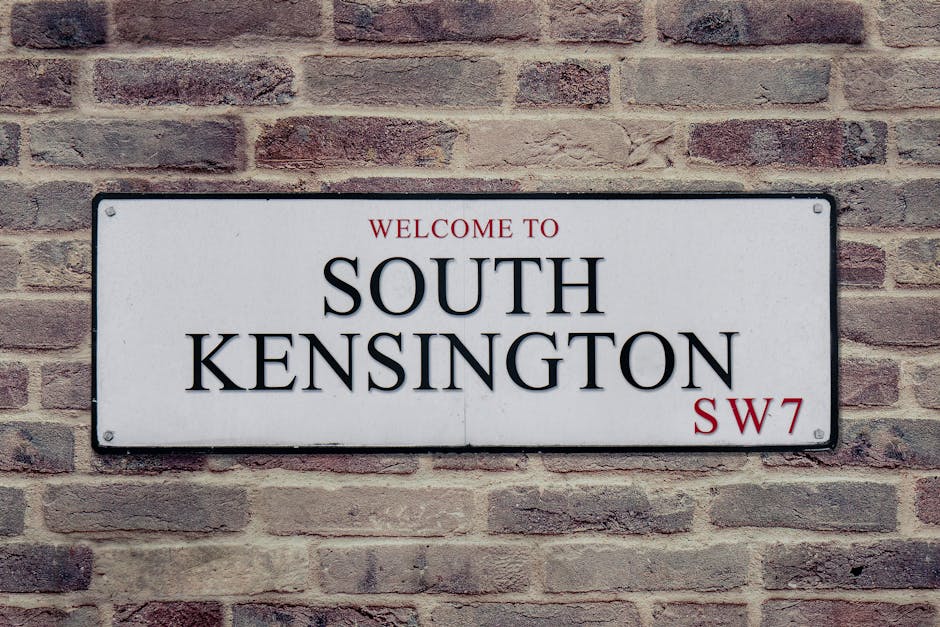
West Kensington Moving Guide for Lillie Road Homes
Moving in and around Lillie Road can feel deceptively simple from the outside. A short local move, a familiar postcode, maybe even the same borough - and yet the reality is often a bit more complicated. Tight access, parking pressure, period conversions, stairwells that look narrower on moving day, and that one sofa that seemed perfectly fine until it reached the landing. This West Kensington moving guide for Lillie Road homes is here to make the whole thing feel manageable, calm, and properly planned.
Whether you are shifting from a flat near Lillie Road to another West Kensington address, moving into a Victorian conversion, or arranging a family home relocation with furniture that has survived two decades of London life, the right preparation saves time, money, and a fair amount of stress. Below, you'll find a practical local guide covering planning, access, packing, moving day decisions, compliance, and the service choices that tend to work best in this part of West London.
For a broader sense of the neighbourhood, you may also find the company's West Kensington area guide useful, especially if you are still getting to know the streets, building styles, and everyday rhythm of the area.
Table of Contents
- Why this guide matters for Lillie Road moves
- How a West Kensington move usually works
- Key benefits and practical advantages
- Who this is for and when it makes sense
- Step-by-step guidance
- Expert tips for better results
- Common mistakes to avoid
- Tools, resources and recommendations
- Law, compliance, standards and best practice
- Options, methods and comparison table
- Case study or real-world example
- Practical checklist
- Conclusion
- Frequently asked questions
Why West Kensington moving guide for Lillie Road homes Matters
Lillie Road sits in a part of West Kensington where the housing stock is varied, the streets can be busy, and small logistical details matter more than people expect. That combination makes moving very different from a generic "London move" checklist. You are often dealing with flats above shops, mansion blocks, converted terraces, basement properties, or homes with awkward shared entrances. All of that can affect access, loading time, and the kind of vehicle or crew you actually need.
Why does that matter? Because the cost of a move is rarely just about distance. It is about how easy it is to load, carry, park, and protect everything. A move that looks simple on a calendar can become a long day if the lift is out, the road is crowded, or the packing was a little too optimistic. Truth be told, that is where many local moves go sideways.
This guide matters because it gives you the local context people usually learn too late. The practical realities of moving from Lillie Road homes are not mysterious, but they do reward preparation. If you understand access, timing, furniture handling, and the likely service options, you can make better choices and avoid last-minute panic.
Expert summary: In Lillie Road moves, success usually comes down to three things: realistic access planning, disciplined packing, and choosing a service that matches the property rather than overselling what can be done in one trip.
If you are comparing providers, it is worth reading about local removal services in West Kensington and, if you want a broader overview before narrowing down the details, the company's services overview is a useful place to start.
How West Kensington moving guide for Lillie Road homes Works
A move in this area usually follows the same core sequence, but the local environment shapes each step. You do not need to overcomplicate it, but you do need to think ahead a little more than you might for a suburban house move. Here is how the process generally works.
1. Assess the property and the access
Start with the basics: floor level, lift availability, staircase width, doorway clearance, and distance from the front door to where the vehicle can legally stop. These factors influence the crew size, van type, and time required. If you live in a flat off Lillie Road, shared access arrangements can matter just as much as the number of boxes.
2. Choose the right kind of move
Not every move needs a full removal team. Some smaller Lillie Road moves are better suited to a man and van service in West Kensington, especially when you are moving from a studio, one-bed flat, or student accommodation. Bigger homes, bulky furniture, and multi-room moves usually benefit from a fuller crew. It's not about paying for the most expensive option; it's about matching the service to the job.
3. Pack by room and by risk
Good packing is not just tidy packing. The best approach separates everyday items from fragile, awkward, and high-value items. Books, kitchenware, clothing, electronics, framed art, and lamps all behave differently in transit. Period properties and compact flats often involve more lifting and turning, so packing that reduces loose ends really helps.
4. Plan for parking and loading
Parking is often the hidden headache. Around Lillie Road, loading space may be shared, restricted, or affected by road activity at certain times of day. You may need to think about bay space, permits, or how far the van will sit from your entrance. A few extra metres can be the difference between a smooth move and a slog with repeated trips.
5. Move, unload, and place items properly
The best movers do more than carry boxes. They place items in the right rooms, protect fragile furniture, and help you avoid the messy pile-up that tends to happen in the first hour of arrival. If you have ever unpacked around a tower of boxes in the hallway while hunting for a kettle, you know the feeling. Not ideal.
Key Benefits and Practical Advantages
A well-planned local move brings more than convenience. It reduces damage risk, cuts wasted time, and helps you settle faster into the new place. In a neighbourhood like West Kensington, that practical efficiency really matters because the homes themselves often demand more care than a standard new-build transfer.
- Less stress on moving day: You know what is coming, who is handling it, and where things will go.
- Lower risk of breakage: Better packing and a better service fit mean fewer damaged items.
- Improved time management: Accurate access planning prevents long delays and overrun.
- Better furniture handling: This matters especially for wardrobes, beds, sofas, pianos, and dining tables.
- Faster settling in: When rooms are placed sensibly, you can unpack and feel at home sooner.
The other big benefit is confidence. Once you understand the moving process, you can ask better questions, compare quotes more sensibly, and avoid being steered by vague promises. That's a huge advantage in a busy London market where not all services are equal. If you want to compare local providers, the page on removal companies in West Kensington gives a useful starting point.
There is also a quieter benefit: fewer surprises. And honestly, surprises are fine for birthdays, less so for moving day.
Who This Is For and When It Makes Sense
This guide is especially useful if you live on or near Lillie Road and are dealing with one of the following situations:
- moving from a flat, maisonette, or conversion with limited access
- relocating a family home with larger furniture and more rooms to clear
- moving into a rental property and working to a strict handover time
- moving out between tenancies and needing a quick, organised turnaround
- arranging a smaller local move where a van and a couple of experienced hands are enough
- handling unusual items like a piano, artwork, or heavy modular furniture
It also makes sense for people who are still deciding whether to hire full removal support or keep things minimal with a smaller transport-only option. If you are unsure, that's normal. Many people only realise what they need once they look closely at the stairs, the furniture, and the parking. A quick review of home removals in West Kensington and flat removals in West Kensington can help you work out which route fits your property best.
Students, first-time renters, and busy professionals often benefit from a leaner service. Family households and people with valuable or bulky items usually need a more structured approach. Simple enough, really, though the details matter.
Step-by-Step Guidance
Here is a practical way to organise the move without letting it take over your week. You do not need to do everything at once. In fact, trying to do everything at once is how boxes start multiplying in corners.
Step 1: Confirm the move date and property details
Check exact dates, key handover times, lift bookings if relevant, and whether there are any building rules for moving. If you are leaving a managed block, ask about access hours and loading arrangements early rather than on the eve of the move.
Step 2: Make a rough inventory
Walk through each room and list the main items. You do not need a museum catalogue. Just identify anything bulky, fragile, expensive, or awkward. Sofas, wardrobes, beds, mirrors, desks, and appliances should all be noted. If something needs special handling, mark it clearly.
Step 3: Sort and declutter before packing
Moving is the best moment to be slightly ruthless. Why pay to transport things you no longer use? Donate, recycle, or pass on anything that is just taking up space. This is especially useful in smaller Lillie Road homes where storage can be at a premium.
Step 4: Book the right service level
For larger or more complex moves, a full removal service is usually the safer choice. For lighter, local relocations, a van-based service may be enough. If you are moving at speed or with a tight deadline, same-day removals in West Kensington can be worth considering, provided availability works for your schedule.
Step 5: Pack the essentials last, but separately
Keep a clear bag or box with documents, chargers, toiletries, tea bags, a few snacks, keys, medication, and a change of clothes. The small stuff always matters more than people think at 9:30 p.m. when the Wi-Fi password is still not found.
Step 6: Prepare the new home before arrival
Make sure the new property is clean, powered, and ready for entry. If you can, set up beds first. There is nothing glamorous about sleeping beside three sealed boxes marked "miscellaneous."
Step 7: Unload with a room-by-room plan
Tell the movers where each item should go before unloading begins. This saves re-handling later. A little direction upfront saves a lot of carrying back and forth.
Expert Tips for Better Results
Most move problems are not dramatic. They are small avoidable things: the wrong box size, a missing parking note, a sofa that was never measured, a fragile label that got ignored. To be fair, they happen to almost everyone at some point. The trick is to reduce the chances.
- Measure large items and doorways: Especially wardrobes, fridges, beds, and corner sofas.
- Use stronger boxes for books: Books get heavy fast. Very fast.
- Wrap furniture before transport: Blankets and protective coverings are worth it.
- Keep screws and fittings together: Tape them to the furniture bag or keep them in a labelled pouch.
- Mark priority boxes clearly: "Kitchen essentials," "bedroom first night," and "documents" are all useful.
- Ask about insurance cover: Not every service is the same, so check what is included.
- Choose a realistic move window: Early starts can help in busy streets, though not everyone is a morning person. Fair enough.
For items that need specialist handling, like a grand or upright piano, it is sensible to use a dedicated service such as piano removals in West Kensington. Pianos are not just heavy; they are awkward, fragile in specific ways, and not forgiving of guesswork.
If you want to reduce waste during the move, the company's recycling and sustainability guidance is also worth a look. Small changes there can trim clutter and make unpacking easier too.
Common Mistakes to Avoid
A lot of moving stress comes from the same repeat errors. The good news is that nearly all of them are preventable if you slow down just a little.
Underestimating access issues
People often assume that because a property is local, access will be easy. Not always. A road that looks fine on paper may be awkward for loading. Stairs may turn sharply. A lift might be shared, small, or unavailable.
Choosing a vehicle that is too small
A cheaper van can end up costing more if it means multiple journeys or last-minute rebooking. It is better to understand volume properly upfront.
Poor labelling
Boxes labelled "stuff" or "misc" are not much help when you are tired and looking for a phone charger. Clear labels save time and frustration.
Leaving packing too late
This one is familiar to everyone. "We'll pack it tonight" sounds manageable until the kettle is in one box, the mug in another, and the tape has vanished. Start early where you can.
Ignoring fragile and valuable items
Electronics, glass, art, and antiques need extra care. If an item matters, treat it like it matters. Simple as that.
Not checking service terms
Before booking, review what is included, what is excluded, and how cancellations or changes are handled. You can find supporting information on pricing and quotes, insurance and safety, and the company's terms and conditions.
Tools, Resources and Recommendations
You do not need specialist equipment for every move, but a few basic tools make the whole process smoother. The best moves are often the ones where the right small things are already in place.
| Item | Why it helps | Best used for |
|---|---|---|
| Strong double-walled boxes | Hold weight better and reduce collapse risk | Books, kitchenware, mixed household goods |
| Bubble wrap or paper wrap | Protects fragile items and surface finishes | Glass, lamps, framed art, ornaments |
| Furniture blankets | Reduces scuffs during handling | Sofas, tables, wardrobes, drawer units |
| Marker pens and labels | Makes unloading and unpacking much faster | All boxes and loose parts |
| Tape measure | Helps confirm sizes, lift access, and furniture fit | Large furniture and doorway checks |
Useful planning resources on the site include packing and boxes support, furniture removals, and the broader West Kensington removals page if you want to compare services in one place.
For a broader local perspective on living in the area, there is also a helpful post about whether Kensington is a good neighbourhood from a local point of view. It is not a moving checklist, obviously, but it does help set expectations if you are new to the area.
Law, Compliance, Standards, or Best Practice
Moving home is not usually a heavily regulated process for the customer, but there are still important best-practice and compliance points to keep in mind. The safest approach is to work with a provider that is transparent about pricing, insurance, privacy, complaints handling, and safety procedures.
At a minimum, you should expect clarity on the following:
- Insurance and liability: Understand what is covered if items are damaged in transit or during handling.
- Payment transparency: Make sure quotes, deposits, and payment methods are clearly explained before booking.
- Safety procedures: Proper lifting, loading, and vehicle handling protect both people and belongings.
- Access permissions: If parking or building entry is involved, confirm that any needed permissions are arranged in advance.
- Data and privacy: Booking details and contact information should be handled responsibly.
If you want to check how a company handles these matters, the pages on payment and security, complaints procedure, privacy policy, and health and safety policy are the right kind of place to look.
For some homes, especially those with older layouts or shared access, best practice is simply to communicate early and clearly. That is not a legal technicality. It is just good moving sense.
Options, Methods, or Comparison Table
Choosing the right moving method often depends on property size, item volume, and how much help you want on the day. The comparison below keeps it practical.
| Option | Best for | Strengths | Trade-offs |
|---|---|---|---|
| Man and van | Studios, small flats, light loads, quick local moves | Flexible, efficient, often cost-conscious | Less suited to bulky or high-volume moves |
| Full removal team | Family homes, larger flats, more furniture, fuller packing support | More hands, better for heavy or awkward items | Usually a bigger commitment in time and cost |
| Removal van only | People who have packed and carried lighter items already | Useful where transport is the main need | Limited support for loading and lifting |
| Specialist item move | Pianos, antiques, oversized furniture | Designed for difficult or valuable items | Not a general-purpose solution |
If you are not sure what fits, start with the property layout and the biggest few items. That usually tells the truth pretty quickly. A one-bedroom flat with a lift and no bulky furniture? Often a smaller service works. A top-floor conversion with a sofa, bed frame, dining set, and a very determined wardrobe? You will likely want more support.
For small, local moves, the company's removal van service in West Kensington may be a sensible middle ground, while experienced movers in West Kensington are more relevant when you want proper help with carrying and placement.
Case Study or Real-World Example
Here is a realistic example based on the kind of move many Lillie Road households face.
A couple moving from a first-floor flat near Lillie Road had a mix of items: a bed frame, two wardrobes, a sofa, a dining table, kitchen boxes, and a few delicate framed prints. The street had limited stopping space, and the building shared a narrow entrance with other residents. Nothing outrageous, just enough friction to make a careless move messy.
Instead of relying on a vague "we'll manage" approach, they did three things properly. First, they measured the larger furniture and checked stair turns. Second, they packed fragile items separately and labelled the kitchen clearly. Third, they arranged a local service that could handle both the loading and the tighter access on arrival. The move still took a full morning - moving always takes longer than people hope - but it stayed calm, no damage, no frantic re-packing in the hallway.
The useful part of this example is not that everything went perfectly. It didn't. One box was too heavy, and a lamp shade needed extra wrapping at the last minute. But because the planning was sensible, those issues stayed minor. That is what a good local move looks like: not flawless, just controlled.
There is a quieter second lesson too. Local knowledge matters. Knowing how to approach a West Kensington street, what to expect from local parking pressure, and how to stage the loading can make the difference between a stressful day and a workable one.
Practical Checklist
Use this checklist in the final week before moving. It is simple on purpose.
- Confirm your moving date and arrival time
- Check access, stairs, lift use, and parking arrangements
- Measure any large furniture and narrow doorways
- Choose the right service level for your home and item volume
- Gather strong boxes, tape, labels, and protective wrap
- Pack fragile items separately and clearly mark them
- Prepare an essentials box for the first night
- Tell the movers about heavy, valuable, or awkward items in advance
- Review insurance, payment, and booking terms
- Keep keys, documents, and chargers in a safe, easy-to-reach place
- Arrange disposal or recycling for anything you are not taking
- Walk through the empty property before leaving
One small tip: keep kettle items together. A kettle without mugs is a tiny annoyance, but on moving day tiny annoyances somehow feel large.
Conclusion
Moving from a Lillie Road home does not need to become a drama. With the right preparation, a clear understanding of access and furniture needs, and a service chosen for the actual property rather than the guesswork around it, the process becomes much more straightforward. That is the core of a good West Kensington move: practical planning, honest expectations, and a little local awareness.
If you are ready to take the next step, compare your home size, your access conditions, and the items you need moved, then choose the service that fits the job properly. That one decision removes a lot of noise from the rest of the week.
Get a free quote today and see how much you can save.
And if you are still in that in-between stage, with boxes half-filled and the kettle still on the counter, take a breath. You are closer than it feels.
Frequently Asked Questions
What makes moving from Lillie Road homes different from other West Kensington moves?
Lillie Road homes often involve shared entrances, tighter access, and a mix of flats and older conversions. That means parking, stair movement, and item size matter more than people expect.
Should I choose a man and van or a full removal service?
If your move is small, local, and mostly boxed items, a man and van in West Kensington may be enough. For larger homes, heavier furniture, or more complex access, a fuller removals service is usually the safer choice.
How early should I book my move?
As early as you reasonably can, especially if you are moving at month-end, on a weekend, or during busy rental handover periods. Early booking gives you more time to plan access and packing properly.
Do I need to measure my furniture before moving?
Yes, especially for sofas, wardrobes, beds, and appliances. Measuring helps you avoid surprises at stair turns, door frames, and lifts.
What should I pack separately for moving day?
Keep essentials such as keys, phone chargers, toiletries, medication, tea or coffee, documents, and a change of clothes in a separate box or bag. That first night box really matters.
Can movers help with furniture dismantling?
Some services can help with dismantling and reassembly, but you should check in advance. Do not assume it is included. Clarifying this early prevents last-minute problems.
How can I reduce the cost of a local move?
Declutter before packing, book the right size service, label boxes clearly, and make access as straightforward as possible. Efficient preparation often saves more than people realise.
Are there special considerations for moving heavy or valuable items?
Yes. Items like pianos, antiques, and large glass furniture may need specialist handling. For example, specialist piano removals are usually the smarter route for anything delicate and weighty.
What should I check in a removals company's terms?
Look for details on pricing, cancellations, insurance, liability, and what services are included. The company pages on payment and security and terms and conditions are the kind of documents you want to review before booking.
Is same-day moving realistic in West Kensington?
It can be, depending on availability and the size of the move. Same-day options are usually most realistic for lighter, simpler moves with limited items and straightforward access.
What if my building has restricted access hours?
Tell the removals provider as early as possible. Restricted access often changes the schedule, and the move needs to be planned around the building rules rather than against them.
How do I know if I need packing help as well as transport?
If you are short on time, have fragile items, or are moving from a busy household, packing support can be very helpful. It is especially useful when you want the move to feel organised rather than rushed.
Where can I read more about the West Kensington area before moving?
A good starting point is the local area page and related neighbourhood articles, such as the guide on West Kensington itself and the piece on local hangouts and hidden gems in Kensington. They help you get a feel for the area beyond the moving day logistics.
Getting settled in a new home is never just about the boxes. It is about arriving with your head clear enough to enjoy the place. That part, thankfully, is still possible.