Prices
  Request a call back
  Moving Guides
  Free quote
 Hammersmith and Fulham Council parking permits for removals
Posted on 08/07/2026
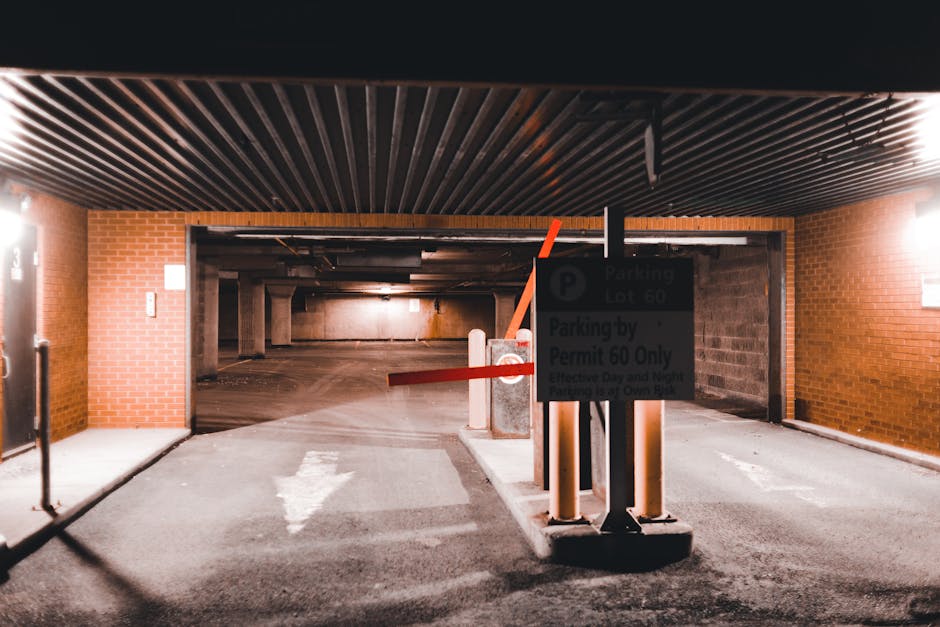
Hammersmith and Fulham Council parking permits for removals: a practical guide for a smoother moving day
If you are moving in or out of the borough, Hammersmith and Fulham Council parking permits for removals can make the difference between a calm, organised move and a morning full of stress, double-parking nerves, and a van circling the block. In tight London streets, especially around terraces, flats, and busy main roads, parking is rarely just a detail. It is part of the plan.
Truth be told, many people only think about the boxes, the sofa, and whether the kettle is packed. Then the van arrives and the awkward question pops up: where is it actually going to stop? This guide explains how removal parking permits generally work, why they matter, when you need them, and how to avoid the common mistakes that slow everything down. If you are also comparing the wider move setup, you may find it useful to read about local removals support in West Kensington and the practical advice in access problems moving to Victorian terraces in West Kensington.
Why Hammersmith and Fulham Council parking permits for removals matters
Parking is one of the quiet problems that can derail an otherwise well-run move. In Hammersmith and Fulham, that matters even more because many streets are narrow, heavily parked, and heavily used. A removal van that cannot stop close to the property can add extra carrying distance, extra time, and extra risk of damage. Nobody wants to carry a wardrobe down the road while a driver is trying to fit into a space that is already half gone.
A parking permit, or a temporary removal parking arrangement, helps reserve legal space for the van and sometimes for other vehicles involved in the move. The value is not just convenience. It is about reducing delays, avoiding parking penalties, and keeping the move moving. That sounds obvious, but on moving day obvious things are exactly the ones people forget.
There is also a broader practical point. If you are moving in a part of London with controlled parking, residents' bays, pay-and-display zones, or timed restrictions, the wrong parking assumption can create a chain reaction. The team waits. The lift booking expires. The loading bay is occupied. The whole schedule starts slipping. And then everyone is suddenly in that slightly frantic mood nobody enjoys.
For people relocating within or near the borough, especially if the property has awkward access, it is worth planning the parking side with the same care as the packing side. The local moving picture is often shaped by streets, not just by rooms. If you want more context on the area itself, the page about West Kensington is a useful read, and so is the moving guide for Lillie Road homes.
How Hammersmith and Fulham Council parking permits for removals works
In plain English, the process is usually about getting permission, in advance, to use a specific parking space or restriction zone for removal activity. In practice, the exact rules depend on the street, the time of day, the type of bay, and whether the location sits within a controlled parking zone or another parking restriction area. Councils often treat removals as short-term operational activity rather than ordinary parking, so the arrangement may be different from a standard resident permit.
You should expect a few moving parts. First, you identify the property address and the nature of the parking need. Then you check whether a bay suspension, dispensation, temporary loading permission, or another form of parking authorisation is needed. Some streets are straightforward. Others are a bit of a puzzle, especially where a van needs to stay close to the entrance for several hours.
Usually, the moving company will ask for details such as:
- the full moving address
- the moving date and estimated arrival time
- the vehicle type and size
- whether the property is a house, flat, basement, or upper-floor walk-up
- whether there are lifts, tight stairwells, or rear access
- any known restrictions, such as red routes, resident bays, or suspended bays nearby
That information helps determine whether a permit is required and how far in advance it should be arranged. To be fair, this is where a lot of the uncertainty lives. People often assume "the van can just stop outside for a minute." Sometimes it can. Sometimes it absolutely cannot. One ignored sign is enough to make the day expensive.
If your move is part of a broader flat relocation, you may also want to look at flat removals support in West Kensington and the practical planning notes in the Olympia move planning article.
Key benefits and practical advantages
The main benefit is simple: easier loading and unloading. But there are several less obvious wins too.
- Less walking distance between the van and the front door, which saves time and reduces strain.
- Lower risk of damage to furniture, walls, and flooring because items travel a shorter distance.
- Fewer delays if the van has a legal place to stop from the start.
- Better safety for everyone involved, especially when large items are being moved in and out.
- Less stress with neighbours and wardens, which is underrated until you are living through it.
There is another benefit people do not always mention: better timing control. A well-parked van makes it easier for the crew to work to schedule. That matters for lift bookings, handing back keys, and avoiding overlap with another move. A ten-minute parking issue can become a one-hour delay, and those small delays have a habit of breeding.
If you are comparing moving support options, it can help to look at the service model too. For example, a man with a van in West Kensington is often used for lighter moves, while a larger team may be better for multi-room properties. The parking question still matters in both cases.
Expert summary: the best removal-day parking plan is not the cheapest or the most convenient on paper. It is the one that keeps the van closest to the property legally, gives the crew room to work, and leaves no room for a wardens' surprise visit. Simple, but effective.
Who this is for and when it makes sense
This kind of parking arrangement is useful for a wide range of movers, not just people on major house moves. In fact, some of the most parking-sensitive jobs are the smaller ones, because they often happen in busy streets where stopping is difficult.
You are likely to need a permit or temporary permission if you are:
- moving from or to a flat with no private driveway
- relocating into a terraced street with limited kerb space
- booking a large removal van that needs a proper loading point
- moving an office, studio, or commercial unit with tight street access
- handling a same-day or urgent move where timing is compressed
- moving bulky items such as wardrobes, sofas, or a piano
It is also sensible if your building has awkward internal access. A first-floor flat with a narrow stairwell is one thing; a basement conversion with a steep front path and no rear access is another. In those cases, every extra metre from van to door makes the day harder. You will feel it in your shoulders by lunchtime, honestly.
Students moving into shared houses, tenants on short notices, and people in older West London properties often benefit most from planning parking properly. If that sounds familiar, the pages on student removals in West Kensington and home removals in West Kensington may also be useful alongside this guide.
Step-by-step guidance
Here is a practical way to handle the parking side without making it more complicated than it needs to be.
- Check the street conditions early. Look at the street layout, bay markings, and any obvious restrictions. If the property sits on a busy road, do not leave this until the day before.
- Confirm the move details. Know the date, approximate start time, and vehicle size. A small van and a 7.5-tonne truck are not treated the same in many situations.
- Ask what parking authority is needed. Depending on the location, this may be a bay suspension, loading permission, or another council-managed arrangement.
- Give the moving team full access information. Mention basement steps, shared entrances, restricted turning space, and any building rules.
- Build in time for parking set-up. Even when everything is organised, a few extra minutes at the start can save a lot later.
- Prepare alternatives. If the best space is occupied, know where the backup legal stopping point is.
- Keep documents and confirmations handy. A screenshot, reference number, or written confirmation can be useful if questions come up on the day.
A small but important detail: tell the team if your move involves awkward loading like a piano, oversized sofa, or glass table. That can affect the type of van and the amount of curb space needed. For specialist items, piano removals in West Kensington is a good example of where precise parking and handling matter together.
One more thing. If you are changing keys, collecting from storage, or doing a same-day move, the parking plan needs to be even tighter. There is less room for "we'll see on the day." The day has enough moving parts already.
Expert tips for better results
In our experience, the smoothest moves happen when parking is treated as a logistics task, not an afterthought. That means planning around people, vehicles, and timing rather than just "getting somewhere to stop."
- Book early where possible. Parking-related permissions can take time to arrange, especially at busier times of year.
- Match the vehicle to the property. A giant van is not always better. Sometimes a slightly smaller vehicle makes more sense for narrow access and tighter stopping points.
- Avoid peak street pressure if you can. School runs, bin collection times, and commuter windows can all make parking harder.
- Think about the unloading route. A space near the door is good, but only if the route from van to property is clear and safe.
- Keep neighbours informed when sensible. A quick word can prevent complaints if the move will temporarily use a bay or block a small section of frontage.
If you are handling a larger household move, the difference between a rushed arrangement and a well-planned one is usually obvious by 9:30am. One feels steady. The other feels like everyone is trying to solve three problems at once. Better to avoid that, if you can.
For broader moving support and planning, you may also find removal services in West Kensington and pricing and quotes helpful when thinking through the total cost and scope of the job.

Common mistakes to avoid
Most parking problems are preventable. They usually happen because someone made a reasonable assumption that turned out to be wrong. Happens all the time.
- Leaving the permit question too late. If you only check parking a day or two before the move, your options may be limited.
- Assuming a resident bay is fine. It might not be, especially if you do not live there or if loading restrictions apply.
- Forgetting about time limits. Even legal parking can become a problem if the vehicle overstays the allowed window.
- Not measuring the vehicle fit. Large vans need more room than many people expect.
- Ignoring building access. A permit solves curb access, not a locked gate or a broken lift.
- Relying on verbal assumptions. "It should be fine" is not a plan.
There is also a common budgeting mistake: people plan for the removals cost but forget the parking setup cost, waiting time, or extra labour caused by poor access. That is why a transparent moving quote matters. If you want a deeper look at that side of things, the article on avoiding hidden fees in West Kensington removal quotes is worth a read.
Tools, resources and recommendations
You do not need a complicated toolkit for this, but a few practical items make life much easier.
- Site notes on your phone for bay locations, access points, and gate codes.
- Photo evidence of the street layout, useful if you are explaining the parking situation to a removal company.
- A written move timeline showing when the van should arrive, when loading starts, and when you expect to hand over keys.
- Confirmation details if a parking arrangement has been approved or discussed.
- Protective packing materials so delays at the kerb do not turn into damage inside the property.
When choosing a moving partner, look for one that speaks clearly about access, vehicle sizing, and move-day timing. That is usually a good sign. Vague answers are rarely helpful, even if they sound cheerful at the time. If you are comparing companies, removal companies in West Kensington and the services overview can help you understand the range of support available.
You may also want to consider extra packing support for fragile or awkward items. A small delay with a parking bay is much less painful when everything is already boxed properly and ready to go. The page on packing and boxes in West Kensington fits neatly into that planning stage.
Law, compliance, standards and best practice
Parking and loading arrangements sit within local parking control rules, road traffic regulations, and council-managed restrictions. The exact process varies by street and by type of bay, so it is best to treat any moving-day parking plan as a compliance task as well as a practical one. You want the van to stop legally, safely, and in a way that does not create problems for traffic or pedestrians.
Best practice usually means:
- checking restrictions before the move, not on the morning of the move
- using the correct type of parking arrangement for the job
- making sure the driver understands the approved stopping area
- avoiding obstruction to access routes, crossings, and emergency access points
- keeping the loading period as efficient as possible
For moving companies, good practice also means proper insurance, clear health and safety procedures, and sensible manual handling. If furniture has to be carried further because parking is not close enough, the risk rises a bit. That is why professional planning matters. You can read more about that broader approach in health and safety policy and insurance and safety.
A careful note here: council rules can change, and specific permissions depend on the location and timing. So while the principles are stable, the exact approval route should always be checked for the actual property and moving date. That is the sensible way to do it.
Options, methods and comparison table
There is more than one way to manage parking for removals. The right choice depends on the street, the vehicle, and how much flexibility you have.
| Option | Best for | Pros | Watch-outs |
|---|---|---|---|
| Formal council parking permission | Busy streets, longer loading times, restricted bays | Clearer legal stopping arrangement, less risk of a penalty | Needs advance planning and accurate details |
| Short-term loading only | Quick, light moves where a brief stop is realistic | Simple and sometimes enough for small jobs | Too fragile for large or slow moves |
| Using a nearby legal space | Flexible moves with a smaller load | May be easier where exact frontage space is unavailable | Longer carrying distance and more effort |
| Dedicated larger removal vehicle with organised access | Whole-house or office removals | Efficient if access and parking are planned well | Needs careful street and timing coordination |
For many London moves, the best answer is not the biggest vehicle or the most formal-sounding permission. It is the arrangement that fits the street. That sounds modest, but it works.
If your move is more office-based, the parking picture can be different again. The guide to office removals in West Kensington is useful if you are moving desks, files, and equipment rather than household furniture.
Case study or real-world example
Here is a realistic example based on the kind of move people handle every week. A couple relocating from a second-floor flat on a narrow London street had booked a removal van for the morning. The property looked manageable from the inside, but the street was already busy, and there was only limited kerb space outside. The first instinct was to hope for the best. Then they checked the access properly.
That changed the plan. They arranged the parking side in advance, confirmed where the vehicle could stop, and adjusted the arrival window so the crew would not be waiting around while traffic built up. On the day, the van was able to load close to the entrance, the furniture moved faster than expected, and the final handover happened without the usual last-minute scramble.
Nothing dramatic happened. Which, in removals, is usually a very good sign.
What made the difference was not luck. It was the parking plan. The move still had all the normal moving-day noises - tape ripping, footsteps on stairs, a brief search for the box with the charger in it - but the biggest source of stress had already been handled. That is the whole point.
For readers planning a similar move with limited street access, the article on access problems in Victorian terraces is a very close companion piece.
Practical checklist
Use this checklist a few days before the move, then again the day before.
- Confirm the move date and arrival time.
- Check whether the street has parking restrictions or controlled bays.
- Identify the correct stopping point for the van.
- Tell the removals team about stairs, lifts, gates, and access limits.
- Make sure any parking permission or suspension is in place, if needed.
- Prepare a backup space in case the first option is occupied.
- Keep keys, contact numbers, and confirmation details handy.
- Protect furniture and fragile items so loading runs smoothly once parking is settled.
- Give neighbours a heads-up if the move is likely to affect their space.
- Double-check whether the van can safely remain where it is for the full loading period.
Quick takeaway: if the parking is sorted, the rest of the move usually feels more manageable. Not easy, maybe, but manageable. And that counts for a lot on moving day.
Conclusion
Hammersmith and Fulham Council parking permits for removals are not just an admin step. They are part of what keeps a move legal, efficient, and far less tiring than it needs to be. In a borough where street parking can be tight and access can be awkward, a sensible parking plan protects your time, your furniture, and your nerves.
The best approach is simple: check the street early, plan the vehicle and timing carefully, and make sure the removals team has every detail they need. That way, the day starts with a plan rather than a guess. And honestly, that is half the battle won.
If you are still mapping out the wider move, take a look at removals in West Kensington, compare options through removal services in West Kensington, and use the planning articles as a guide. A little preparation goes a long way, and moving becomes a lot less grim when the basics are handled properly.
Get a free quote today and see how much you can save.